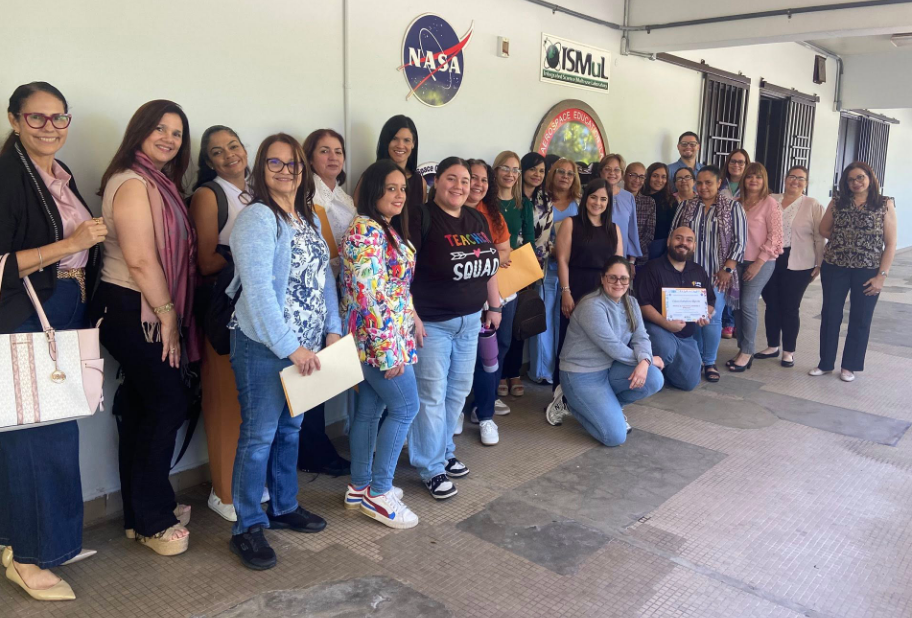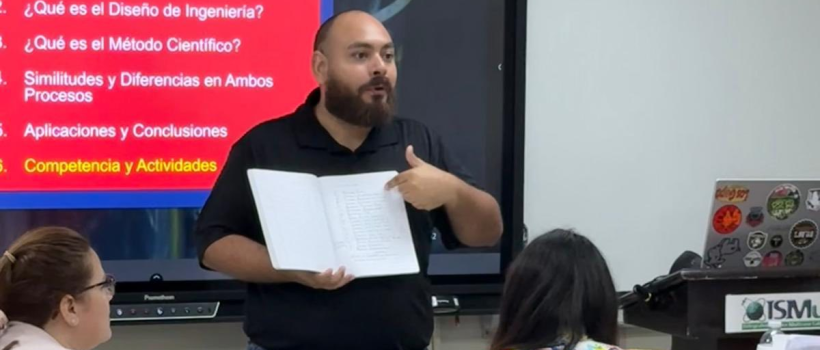
In this workshop, Prof. Edwin Caballero taught teachers about Engineering Design and the Scientific Method, ensuring that each concept is clearly defined and that the best time to apply them is understood.
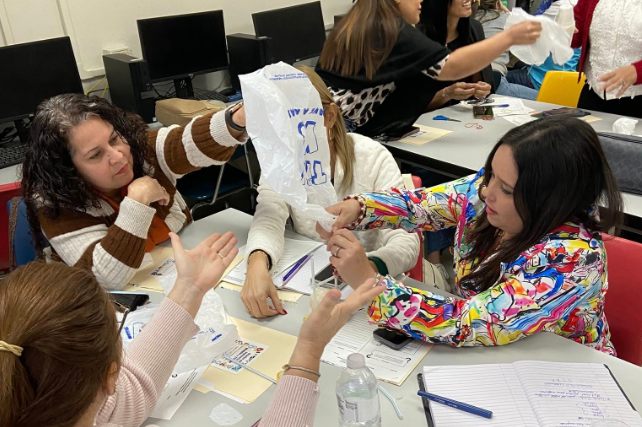
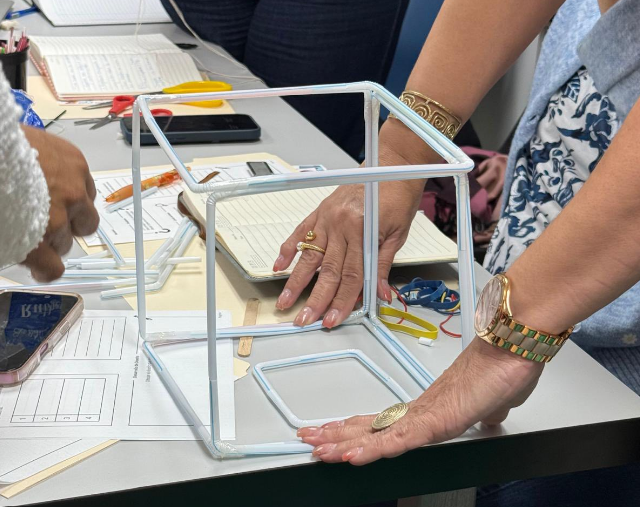
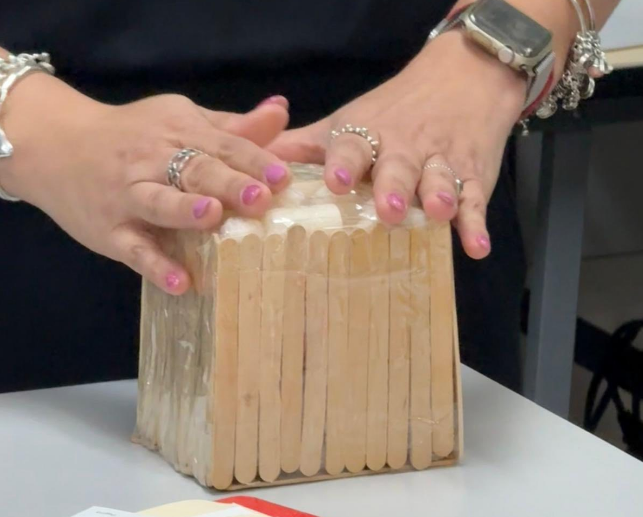
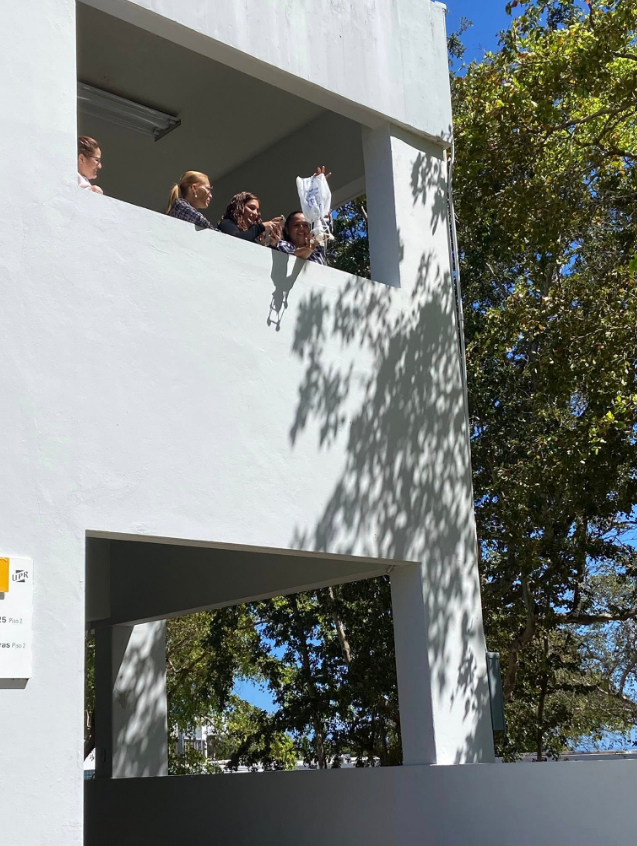
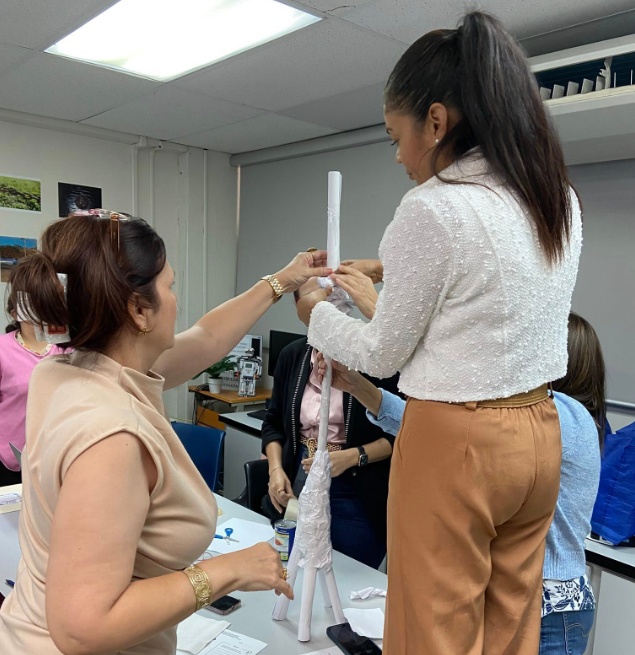
The goal of this training is for teachers to be able to implement these concepts in their classrooms. Therefore, they carried out the following activities: “Eggnaut,” where the mission is to create a defensive structure to protect an egg from a 10-foot fall; and “The Tallest Tower,” where the ability to withstand its weight is constantly tested.
NASA organizes its missions into four main areas: Understanding Earth, the Solar System, and the Universe (SMD); Space Exploration (HEOMD); Technology Development for Future Missions (STMD); and Improving Aviation Safety, Efficiency, and Sustainability (ARMD). Each NASA area has its own focus; however, regardless of the differences in topics and problems, all require the development of systems that allow us to solve problems and understand nature. These shared needs are met through engineering design and the scientific method.
Both procedures require asking questions about the unknown, conducting tests, gathering information, and arriving at a conclusion—whether by generating a product or system through engineering design, or by rejecting or validating a hypothesis through the scientific method. Both processes are vital for improving life. on Earth through innovation.